ONE HABIT, DIFFERENT CLOTHES
Most people ask an AI for an answer. I use it to debate myself.
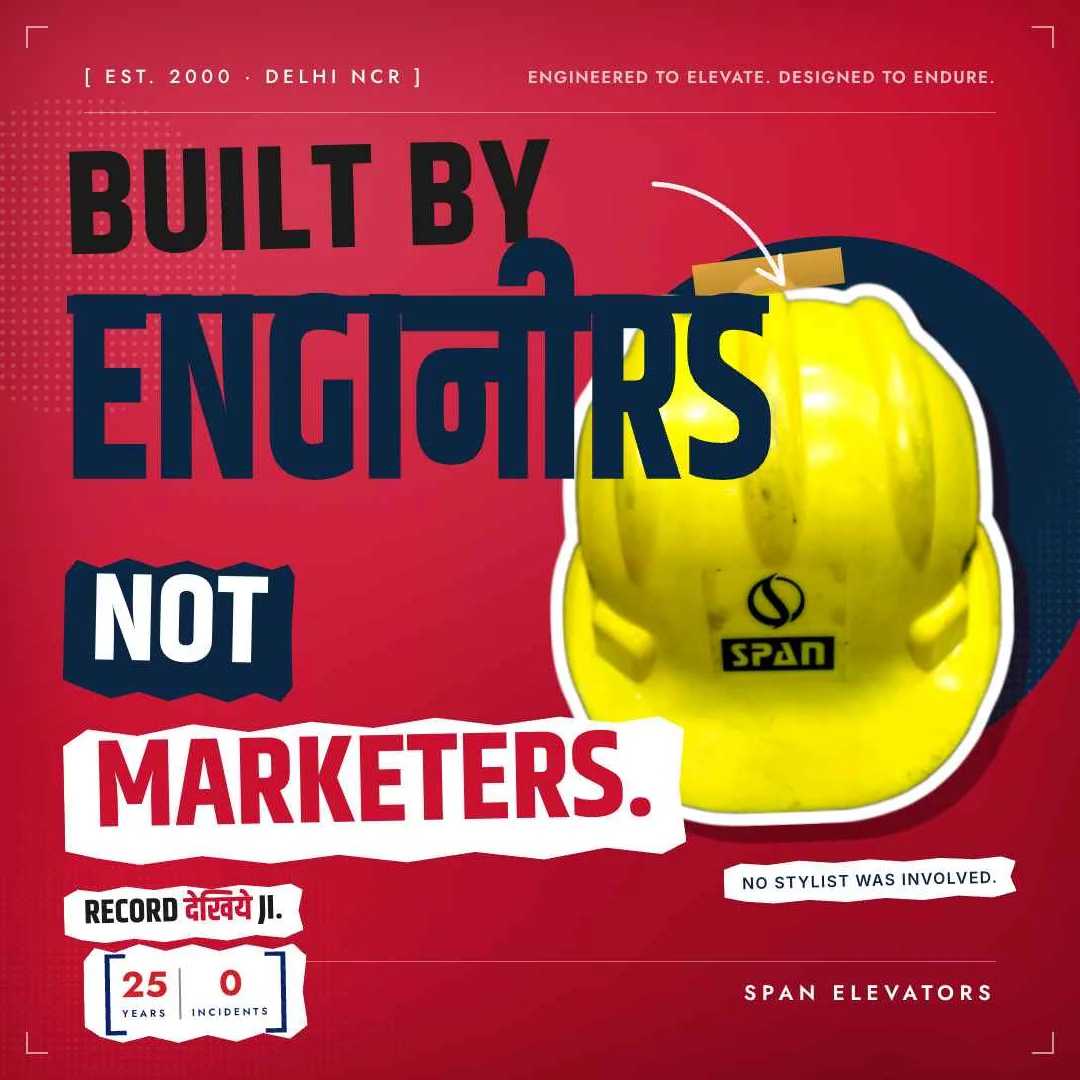
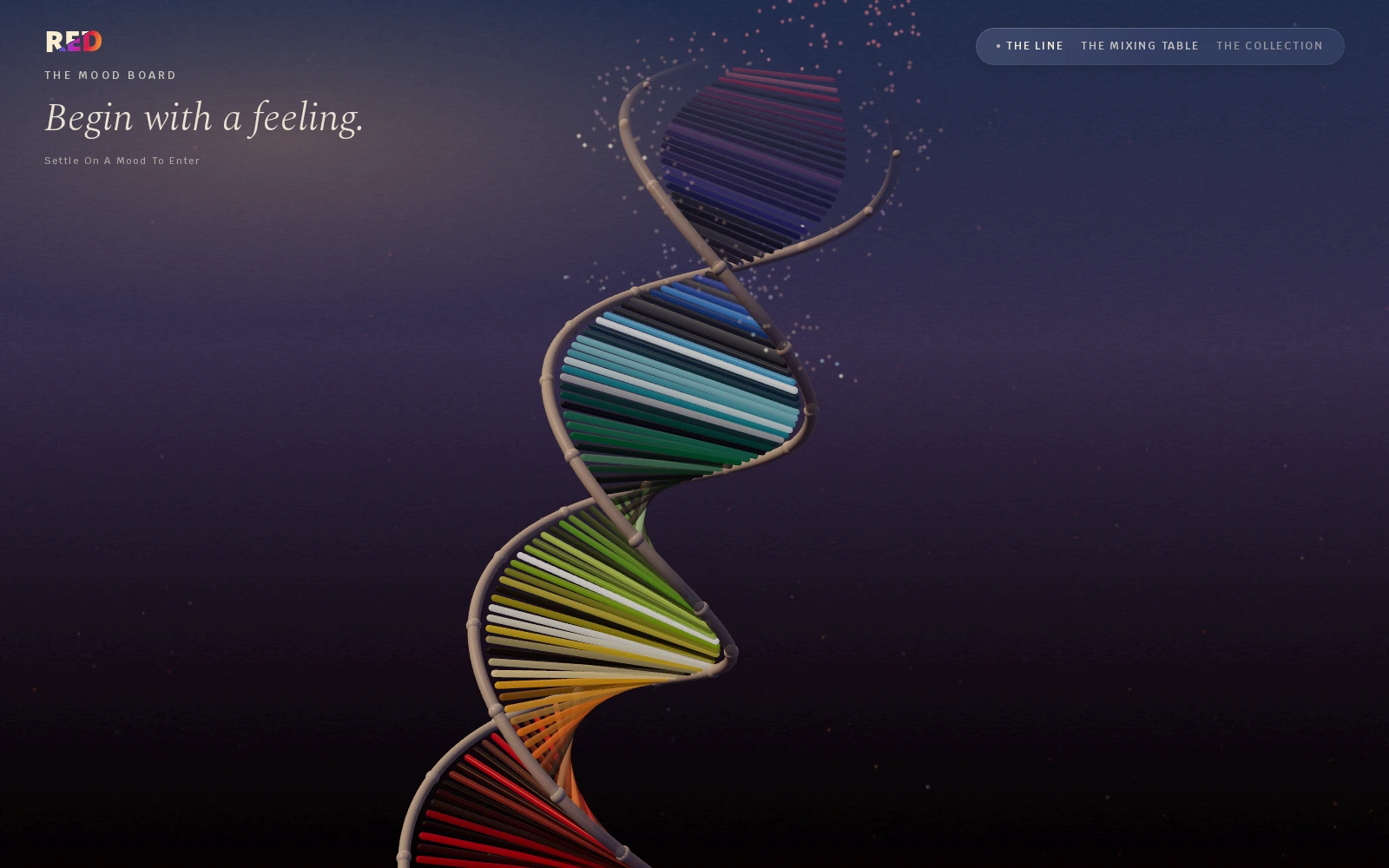
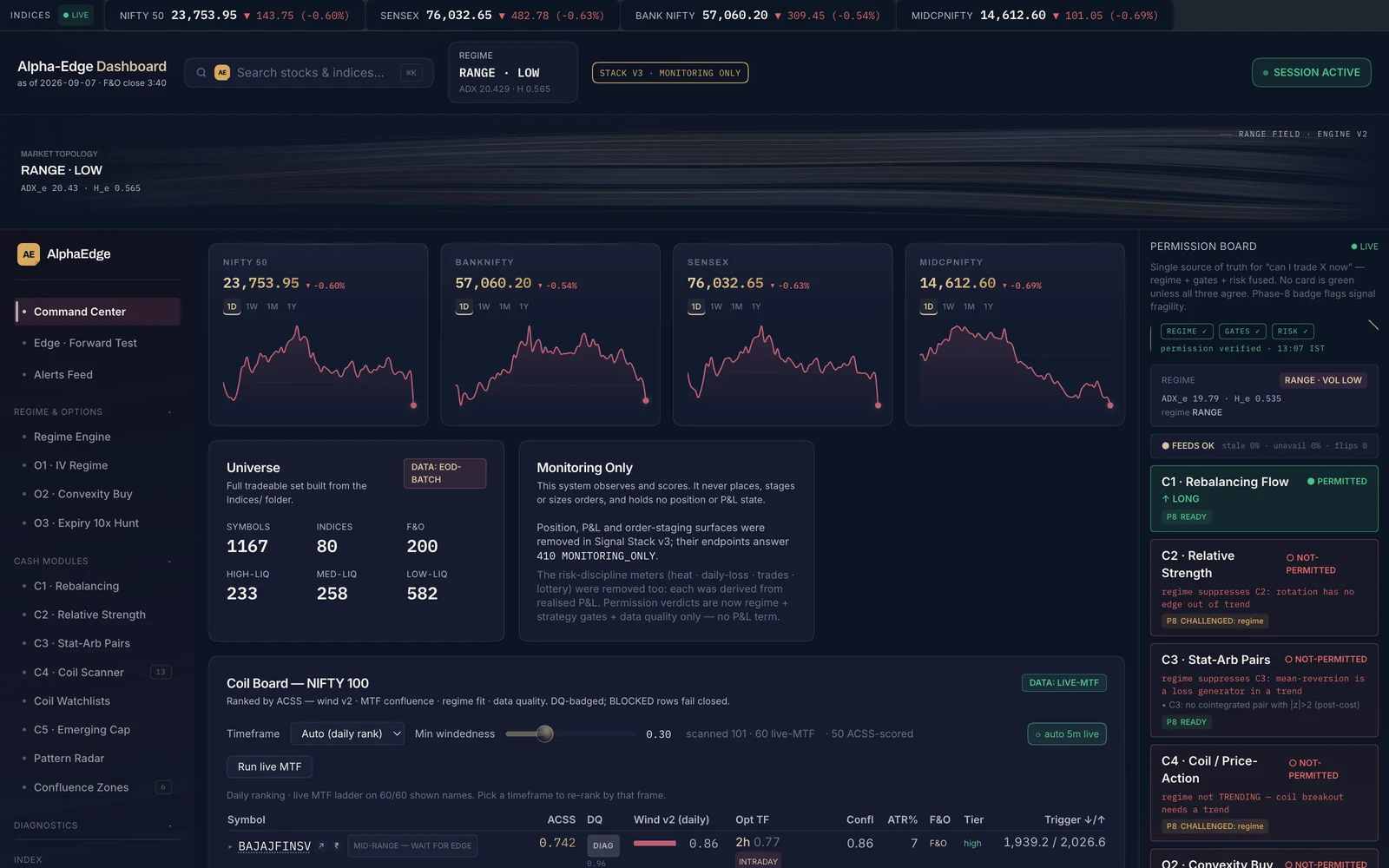
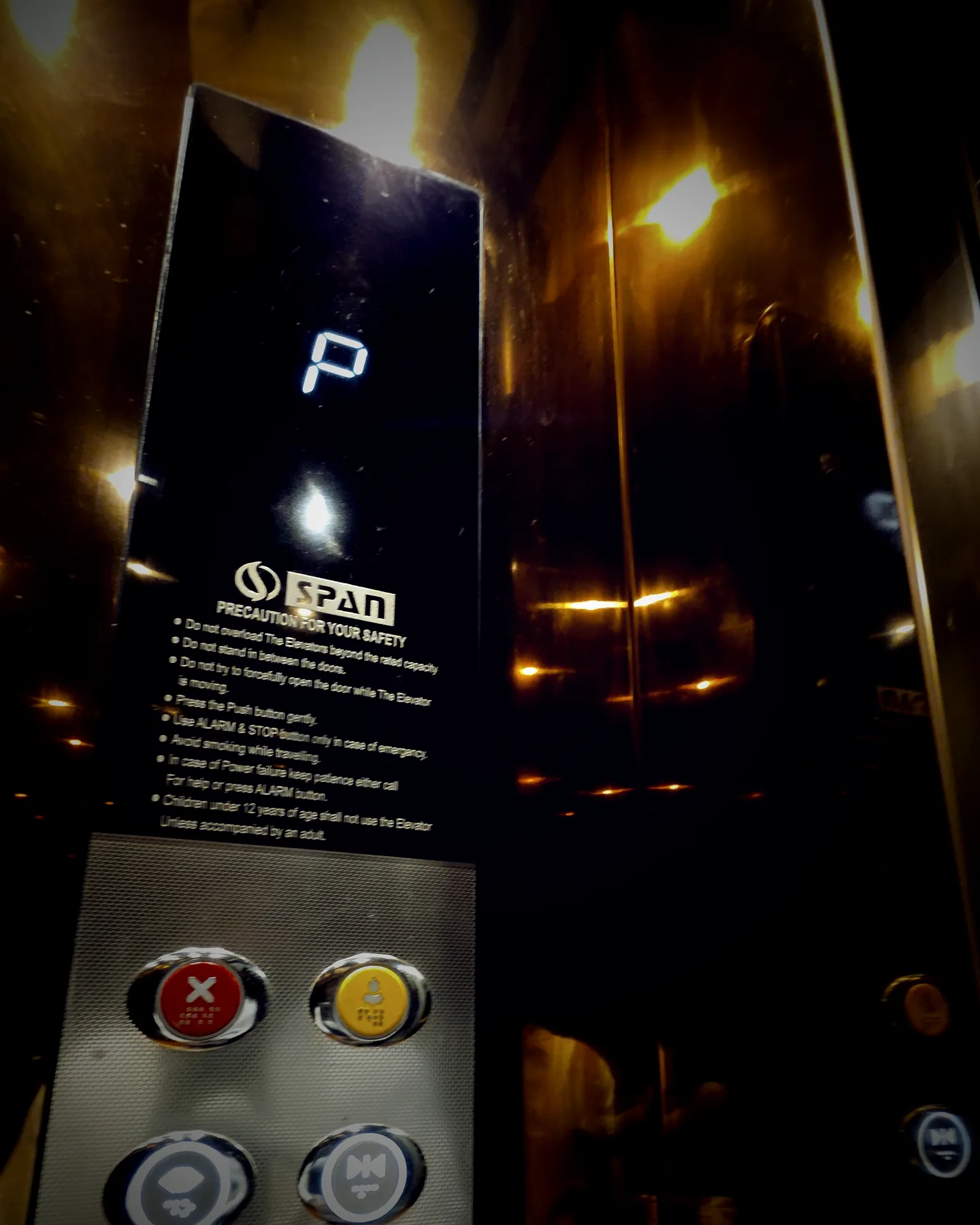
I run a family elevator company's brand into rooms that used to belong only to legacy manufacturers. I trade under rules I wrote for myself and don't break, even when breaking them would feel better in the moment. I build software real people depend on every day — the kind that has to be right, not just look right. And in whatever's left of the day, I make things nobody asked for: a temple you can actually walk through, a colour library that remembers what a shade meant to the people who first named it, a piano built from light and water that plays the way you press it.
None of that reads as one job. It's one habit, worn in different clothes.
I LEARNED BACKWARDS
Most people learn to build before they learn to judge. I learned backwards.
I trained as a playwright and director first. A director's real job isn't staging — it's knowing when a line is technically correct and still not true. Dialogue can be grammatical and ring false. A number can be computed right and still be wrong. I heard that difference in a rehearsal room years before I heard it in a spreadsheet, and I've never stopped listening for it.
So the systems I build check themselves. Claims get tested against the artifact, not the report. If a line can't survive being read twice, it doesn't ship.
THE SAME STANDARD, THE SAME SPEED
What sets me apart isn't the range. Plenty of people keep a spreadsheet and a sketchbook on the same desk.
It's that I hold both to the same standard, at the same speed. The trading rule and the colour dictionary earn their claims the same way. The brand strategy and the fluid-dynamics piano get built with the same refusal to let “good enough” stand in for “actually right.”
Millions of people use AI to move fast. I use it to move fast without lowering the bar anywhere I plant it.
Yes, I haven't worked with big SaaS brands, or built a GitHub streak that would make the addicts jealous, or even a “Hello World” with my name on it anywhere.
What I have instead is an inability to leave a good question alone.
Give me a spreadsheet and I'll ask what it's hiding. Give me a rehearsal room and I'll ask what the line is actually saying, not just what it appears to. Give me an AI and I'll make it argue with me before I believe a word of it. Call it a temperament, not a credential. It's earned its keep.
So here's the honest close: nothing on these flaps comes pre-approved by a brand name you'd recognise. Everything here, you can go press yourself. Ask it a hard question.
Consider yourself invited.